A Beginner’s Guide to Choosing the Right Rings: Styles, Tips, and Common Pitfalls
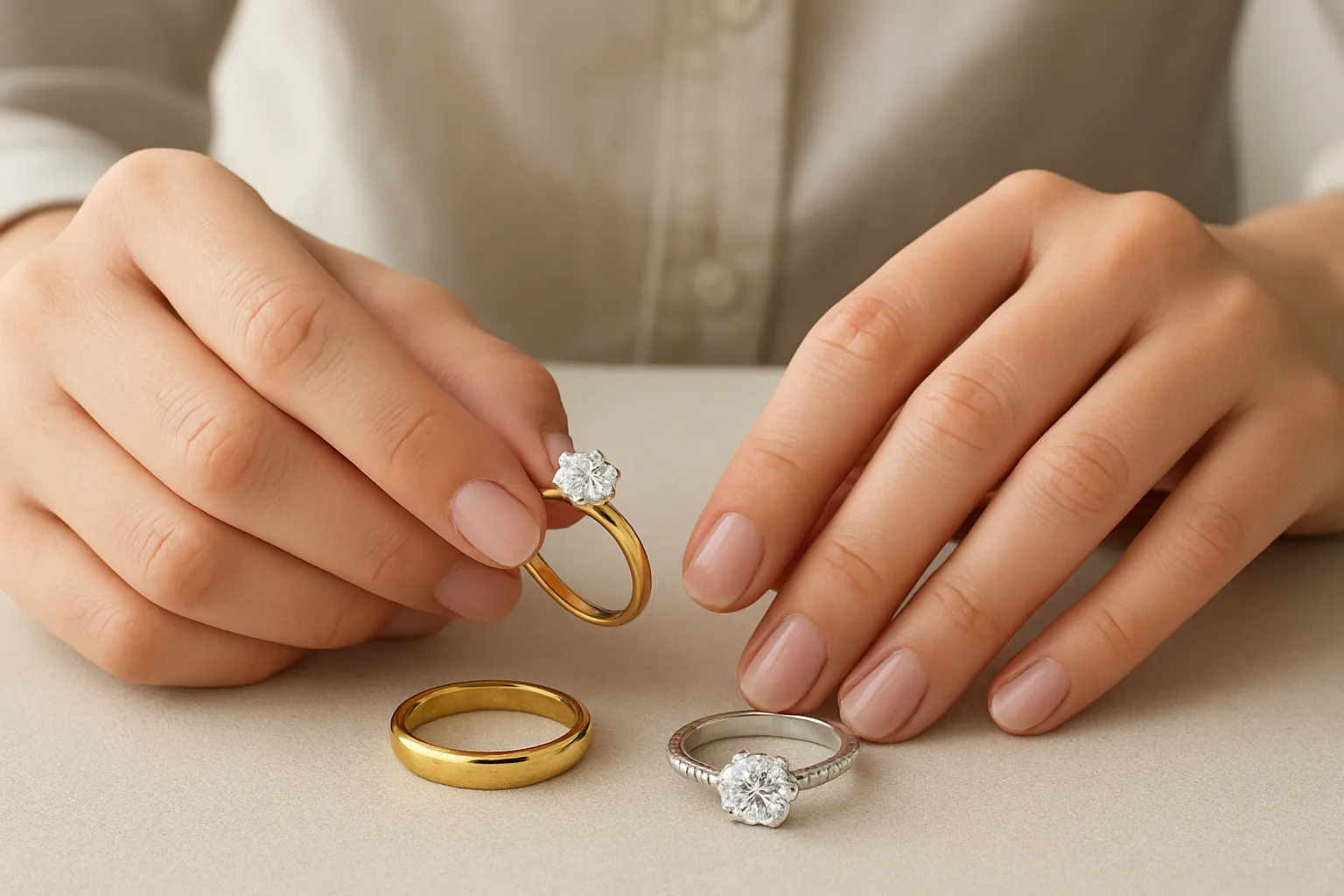
Choosing the right ring can feel overwhelming, especially for beginners. With countless styles, materials, and sizes available, understanding the key elements will guide your decision. Whether you’re purchasing an engagement ring, a fashion ring, or a gift, knowing what to look for can save you from common pitfalls and ensure your choice is meaningful.
Start by familiarizing yourself with the different types of rings and their unique characteristics. This knowledge empowers you to make informed decisions that align with your personal style and budget. In the following sections, we’ll break down essential factors to consider when selecting a ring, compare popular styles, and highlight mistakes to avoid. By the end, you’ll have practical tips and insights that simplify your ring-buying experience.
Understanding Different Types of Rings
Rings can be broadly categorized into engagement rings, wedding bands, and fashion rings. Each type serves a distinct purpose and is designed with unique styles and materials.
Engagement Rings are traditionally given during a proposal and often feature a prominent gemstone, typically a diamond. When selecting an engagement ring, consider the 4 Cs: cut, color, clarity, and carat weight, which significantly affect the ring’s appearance and value. Popular settings include solitaire, halo, and three-stone.
Wedding Bands symbolize commitment and are usually simpler in design. They can be made from various metals, including gold and platinum. Consider the metal’s durability and how it pairs with the engagement ring. Some couples opt for matching sets, while others prefer individual styles.
Fashion Rings encompass a wide array of designs, from cocktail rings to birthstone rings. These are worn for style rather than symbolism and allow for more creativity. When selecting a fashion ring, think about the occasion and your wardrobe.
A common pitfall is not considering the lifestyle of the wearer. For instance, those with active lifestyles may need a sturdier design to prevent damage.
Step-by-Step Guide to Choosing the Right Ring
Choosing the right ring can be straightforward if approached methodically. Start by determining your budget, as this will guide your choices across styles and materials. Set a realistic range that accounts for the type of ring and stick to it to avoid overspending.
Next, understanding sizing is crucial. Measure your finger size at a local jeweler or use an online sizing guide. Remember that finger sizes can change, so it’s best to measure consistently.
Once your budget and size are set, consider personal style. Look at existing jewelry to identify what resonates with you—do you prefer classic, modern, or vintage styles? This will help narrow down your choices.
Keep in mind that the ring should match the lifestyle of the wearer. For those with active lifestyles, a low-profile setting may be wise to prevent snagging.
Finally, don’t rush the decision. Take your time to explore options and consider visiting multiple stores to compare styles and prices. This will help you avoid common pitfalls like buying impulsively or settling for a less-than-perfect fit.
Comparison of Popular Ring Styles
Understanding various styles can significantly influence your decision. Here’s a comparison of popular ring styles:
| Ring Style | Key Features | Pros | Cons | Ideal Occasions |
|---|---|---|---|---|
| Solitaire | Single stone, simple band | Timeless elegance, enhances the stone’s beauty | Limited design options, can feel plain | Engagements, anniversaries |
| Halo | Center stone surrounded by smaller stones | Adds sparkle, enhances perceived size of stone | Generally more expensive, harder to clean | Engagements, special events |
| Three-Stone | Three stones representing past, present, future | Symbolic meaning, balanced design | Can be bulky, may require more maintenance | Engagements, anniversaries |
| Eternity | Continuous band of stones | Represents everlasting love, stunning appearance | Expensive, resizing can be difficult | Weddings, anniversaries |
| Vintage | Intricate designs, often with filigree | Unique, often has a story behind it | Can be harder to find, may be more fragile | Engagements, special occasions |
Selecting the right ring goes beyond aesthetics; it’s about understanding the purpose and meaning behind it.
Common Mistakes to Avoid When Buying Rings
Beginners often encounter several common pitfalls that can lead to dissatisfaction. Here are key mistakes to avoid:
- Neglecting Lifestyle: Those with active jobs may find delicate rings unsuitable. Opt for sturdier designs to prevent damage.
- Overlooking Sizing: Many assume they know their size, but factors like temperature can affect fit. Have your finger measured by a professional jeweler.
- Researching Jewelers: Relying solely on online reviews can be misleading. Visit stores to assess customer service and product quality.
- Rushing the Decision: Avoid impulse purchases, especially when enticed by limited-time offers. Take time to explore options and compare styles.
By avoiding these mistakes and approaching your ring purchase with careful consideration, you can make an informed decision that aligns with your personal style and lifestyle needs.
Frequently Asked Questions About Rings
What materials are commonly used in rings?
Rings are typically made from metals like gold, platinum, and silver. Each material has its own characteristics; for instance, platinum is durable but more expensive.
How do I determine my ring size?
To find your ring size, use a ring sizer or measure your finger at home with a piece of string. Alternatively, visit a jeweler for a professional fitting.
What is the difference between a solitaire and a halo setting?
A solitaire setting features a single stone, while a halo setting surrounds the central stone with smaller diamonds, enhancing its size and sparkle.
How should I care for my rings?
Regular cleaning is essential. A gentle solution of warm water and mild soap works well. Use a soft cloth to dry and polish your ring afterward.