Understanding Rhinestone Jewelry Trends: Market Growth Insights
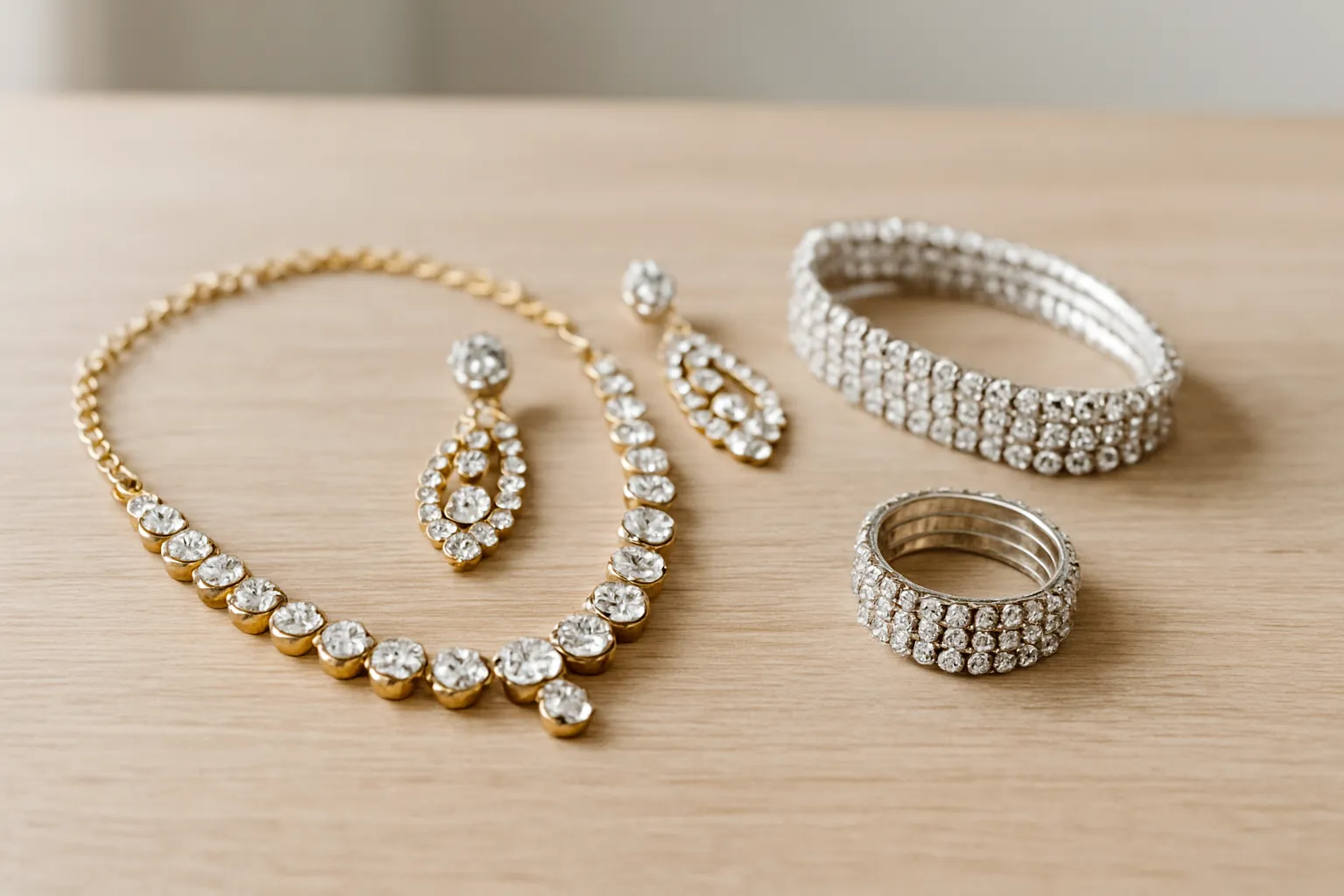
Rhinestone jewelry has successfully established its place in the fashion industry, offering a glamorous yet affordable alternative to traditional gemstones. These sparkling adornments, made from glass or crystal stones designed to mimic diamonds, have gained popularity due to their brilliance and versatility. The rhinestone jewelry market has experienced remarkable growth, largely driven by trends in fast fashion and an increasing consumer demand for eye-catching accessories at accessible prices. In my experience, as shoppers seek unique pieces to express their individuality, the allure of rhinestone jewelry continues to rise, making it an attractive option for businesses looking to expand their offerings in bulk jewelry supplies.
Specifications of Rhinestone Jewelry
For B2B buyers, understanding the specifications of rhinestone jewelry is essential. There are various types of rhinestones available, including acrylic, glass, and crystal, each offering different levels of quality and brilliance. Acrylic rhinestones, for instance, are lightweight and cost-effective, making them ideal for costume jewelry. On the other hand, glass and crystal rhinestones provide a more sophisticated look and are commonly used in higher-end pieces. Quality indicators for rhinestone jewelry include clarity, cut, and color. High-quality rhinestones exhibit excellent clarity and sparkle, closely resembling genuine gemstones. When sourcing rhinestone jewelry, businesses should prioritize products that meet these quality standards to ensure customer satisfaction and encourage repeat purchases.
Use Cases for Rhinestone Jewelry
Rhinestone jewelry serves a multitude of purposes in both the fashion and events industries. As fashion accessories, rhinestones are frequently incorporated into necklaces, bracelets, earrings, and rings, appealing to a diverse demographic. Their affordability allows consumers to experiment with bold styles without overspending. Moreover, rhinestone jewelry plays a significant role in event decorations. From weddings to corporate gatherings, rhinestones add a touch of elegance and sparkle to centerpieces, table settings, and attire. This versatility makes rhinestone jewelry a popular choice for event planners and businesses aiming to enhance their offerings.
Comparing Rhinestone Jewelry to Other Jewelry Types
When comparing rhinestone jewelry to other types of jewelry, several factors come into play. One of the most significant advantages of rhinestones is their cost-effectiveness. Unlike precious stones, rhinestones offer a similar aesthetic at a fraction of the price, making them accessible to a broader audience. Additionally, rhinestone jewelry typically boasts greater durability and longevity compared to materials like delicate pearls or certain metals that may tarnish over time. With proper care, rhinestone pieces can maintain their luster and appeal, making them a wise investment for both retailers and consumers.
Sourcing Bulk Rhinestone Jewelry Supplies
For businesses looking to incorporate rhinestone jewelry into their inventory, sourcing bulk supplies is crucial. Finding reliable suppliers is the first step in this process. Conducting thorough research, attending trade shows, and exploring online marketplaces can help identify reputable manufacturers and distributors. Evaluating supplier credentials is equally important. Businesses should look for suppliers with positive reviews, a solid industry track record, and certifications that guarantee the quality of their rhinestone products. Establishing a reliable supply chain is essential for meeting customer demand and maintaining consistent product quality. For more insights on maximizing profits through bulk purchases, check out our guide on Maximizing Profits with Bulk Purchase Jewelry.
Implementation Strategies for B2B Buyers
Once businesses have sourced their rhinestone jewelry supplies, implementing effective strategies becomes crucial for long-term success. Inventory management tips include maintaining an organized stock system, regularly assessing inventory levels, and forecasting demand based on market trends. This approach helps prevent overstocking or stockouts, ensuring that businesses can efficiently meet customer needs. Moreover, marketing rhinestone jewelry effectively is key to driving sales. Utilizing social media platforms, influencer partnerships, and targeted advertising can help showcase the appeal of rhinestone pieces. Highlighting their versatility and affordability can attract a diverse customer base, ultimately increasing sales and brand awareness.
Frequently Asked Questions
Common concerns about rhinestone jewelry often revolve around quality and longevity. B2B buyers may wonder whether rhinestones can withstand daily wear. While rhinestones are generally durable, proper care is essential to maintain their brilliance. Cleaning them with a soft cloth and avoiding exposure to harsh chemicals can prolong their lifespan. Bulk purchase considerations are another common inquiry. Buyers should evaluate minimum order quantities, shipping costs, and potential discounts for larger orders. Understanding these factors can help businesses make informed purchasing decisions that align with their budget and inventory needs.
Conclusion
The rise of rhinestone jewelry in the market reflects a growing demand for stylish yet affordable accessories. By understanding the specifications, use cases, and sourcing strategies for bulk rhinestone jewelry supplies, businesses can position themselves to capitalize on this trend. With effective implementation strategies and a focus on quality, retailers can thrive in this vibrant segment of the jewelry market. For further information on rhinestone jewelry, refer to this industry reference from AZoM.